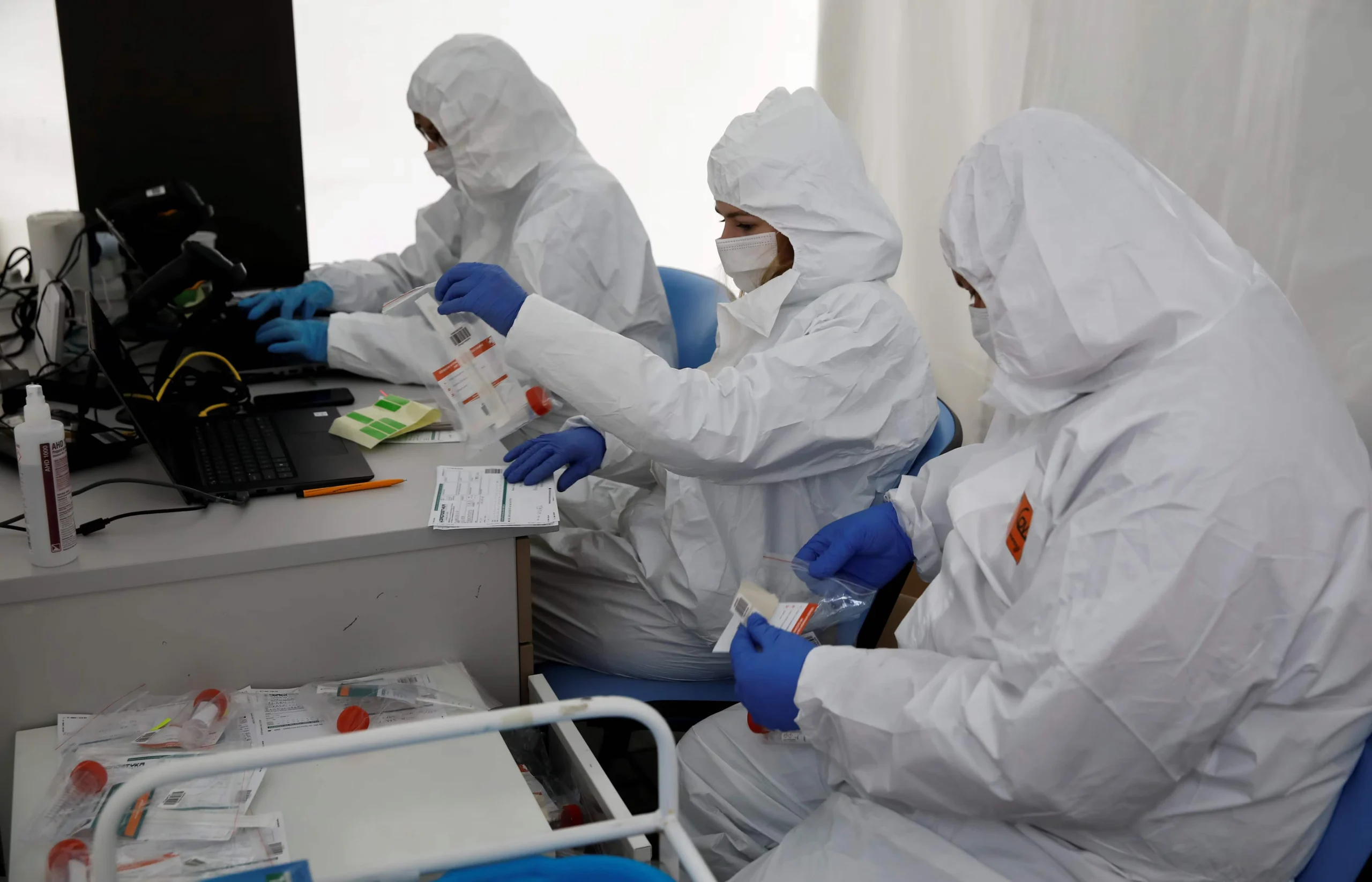
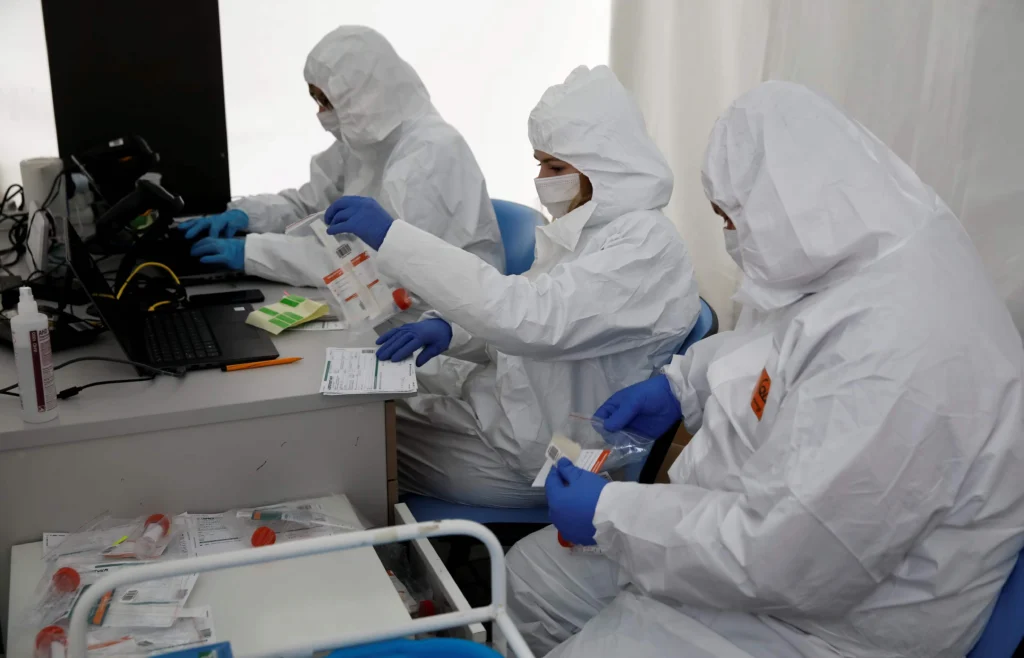
Healthcare professionals play a critical role in protecting public health during emergencies. Among the most serious threats are incidents involving bioterrorism and weapons of mass destruction (WMD). These events may involve chemical, biological, radiological, nuclear, or explosive agents that can cause widespread illness, panic, and disruption to healthcare systems.
Because of these risks, modern nursing education increasingly includes training in disaster preparedness, emergency response, and public health surveillance. Many nurses complete nursing CEUs online, including specialized courses about bioterrorism response and WMD preparedness. These programs help nurses understand how to recognize unusual outbreaks, respond to mass-casualty events, and support patient safety during large-scale emergencies.
Content
Understanding Bioterrorism in Healthcare
Bioterrorism refers to the intentional release of harmful biological agents—such as bacteria, viruses, or toxins—to cause illness or death among populations. These attacks can target civilians, livestock, agriculture, or critical infrastructure.
Nurses are often the first healthcare professionals to notice unusual symptoms or clusters of disease in patients. Early detection can help authorities respond quickly and limit the spread of dangerous pathogens.
Continuing education programs, including nursing ceus online, frequently cover topics such as:
Recognizing symptoms of biological exposure
Infection control procedures
Reporting suspicious disease patterns
Emergency triage during mass-casualty events
Many healthcare professionals pursue nursing ceus no test options to meet their continuing education requirements while staying updated on emergency preparedness.
Categories of Weapons of Mass Destruction
Training in disaster preparedness often uses the CBRNE framework, which categorizes major threats into five types.
Chemical Threats
Chemical weapons include substances designed to harm or kill through toxic exposure. Examples include nerve agents, choking agents, and blister agents. Nurses must understand decontamination procedures and recognize symptoms such as respiratory distress or neurological impairment.
Biological Threats
Biological agents used in terrorism may include bacteria, viruses, or toxins that spread disease. Early recognition is essential. Nurses trained through nursing ceu online no test programs often learn how to identify potential outbreaks and coordinate with public health authorities.
Radiological Threats
Radiological incidents involve the spread of radioactive materials that contaminate people or environments. Nurses must understand radiation exposure symptoms, contamination protocols, and protective measures.
Nuclear Events
Nuclear detonations produce devastating blast effects, radiation exposure, and long-term environmental contamination. Healthcare workers must be prepared for large numbers of casualties and complex medical needs.
Explosive Devices
Explosive attacks can cause trauma injuries, burns, and structural collapse. Emergency nursing education often includes triage strategies to manage large numbers of injured patients.
Why Continuing Education Is Essential for Nurses
Nursing is a profession that requires constant learning. Medical knowledge evolves quickly, and healthcare providers must maintain up-to-date skills. Continuing education units (CEUs) allow nurses to expand their knowledge in areas such as disaster preparedness, infection control, and emergency medicine.
Many nurses complete cheap nursing ceu courses online because they provide convenient learning options. Programs offering fast ceus for nurses allow professionals to meet license renewal requirements efficiently.
Online learning platforms also make it easier for nurses in busy clinical roles to study at their own pace. Courses covering bioterrorism preparedness are particularly valuable for professionals working in emergency departments, intensive care units, and public health settings.
Some online providers, such as Fast CE For Less, offer courses designed to help nurses meet their continuing education requirements quickly and affordably.
Nursing License Renewal and CEU Requirements
Most states require nurses to complete continuing education before renewing their licenses. Requirements vary depending on the location and regulatory authority.
For example:
The Texas Board of Nursing requires continuing education hours for license renewal.
The Massachusetts Board of Registration in Nursing requires ongoing education for professional competency.
The Virginia Board of Nursing also mandates continuing education or practice hours for license renewal.
These regulations ensure that nurses remain knowledgeable about evolving healthcare threats, including public health emergencies and disaster response scenarios.
As a result, courses covering bioterrorism preparedness are increasingly included in rn ceu packages, unlimited nursing ceu courses, and free nursing programs.
How Nurses Identify Biological Threats
One of the most important skills in disaster preparedness is recognizing abnormal patterns of illness. Nurses are often the first to notice signs that something unusual may be happening.
Key warning signs may include:
Multiple patients presenting with similar rare symptoms
Sudden spikes in infection cases
Unusual disease patterns in a specific geographic area
Symptoms associated with rare pathogens
Continuing education courses may also teach nurses to identify laboratory abnormalities. For example, conditions such as low white blood cell count or leukopenia complications may signal serious infections or immune system issues.
Understanding how to evaluate these signs can help healthcare professionals report concerns quickly and initiate emergency response protocols.
Emergency Preparedness and Response
During a major disaster or bioterrorism event, healthcare systems may face overwhelming demand. Nurses must be prepared to handle rapid patient triage, infection control, and crisis communication.
Preparedness training often includes:
Mass-casualty triage techniques
Emergency isolation protocols
Personal protective equipment (PPE) procedures
Coordination with public health agencies
Many nurses complete free nursing ceus online no test courses to refresh these skills regularly. Accessible online education makes it easier for healthcare professionals to stay prepared without interrupting their work schedules.
Benefits of Online Nursing CEU Programs
Online continuing education has transformed professional development for healthcare workers. Instead of attending in-person seminars, nurses can now complete training from anywhere.
Advantages include:
Flexible learning schedules
Affordable options such as cheap ceus for nurses
Immediate certificates for license renewal
Courses covering specialized topics like bioterrorism preparedness
Many nurses choose programs that offer nursing ceus without test or nursing ceu no test required formats, allowing them to focus on learning rather than exam stress.
These flexible options help nurses meet professional requirements while expanding their expertise in critical areas such as emergency response and disaster management.
The Role of Education in Public Health Safety
Prepared healthcare professionals are essential for protecting communities during emergencies. Nurses trained in disaster preparedness can identify potential threats earlier, respond more effectively to outbreaks, and support coordinated emergency responses.
Continuing education programs, including nursing ceu fast, and rn ceus online, ensure that healthcare workers remain equipped with the latest knowledge and skills.
By staying informed and completing ongoing training, nurses strengthen the healthcare system’s ability to respond to public health emergencies—including potential bioterrorism incidents.
Conclusion
Bioterrorism and weapons of mass destruction represent complex challenges for modern healthcare systems. Nurses play a vital role in identifying threats, managing patient care, and supporting emergency response efforts.
Through continuing education programs such as cheap nursing ceus online, and fast ceus nursing, healthcare professionals can stay informed about emerging risks and effective response strategies.
Ongoing training ensures that nurses remain prepared for the unexpected—protecting patients, communities, and the healthcare system as a whole.
Hi, I’m Dan and I write blogs for businesses. I’ve been doing this since 1994 and have written over 10,000 blog posts (and counting). I love writing about what you’re passionate about and how to make your business successful. So if you want to know more about blogging or social media marketing, just let me know!